
How to Install Your Yoor Air Filter
Good news: installing an HVAC filter is significantly easier than figuring out why your furnace makes that one weird noise at 2 a.m. No tools. No science degree. No awkward conversation with the guy at the hardware store. Whether you’re installing Pure, Pure Plus, or Pure Carbon, the process is basically the same. Pull out the dirty one, check which way the air flows, slide the new Yoor Air filter into place, and enjoy the deeply satisfying feeling of having your life together for approximately seven minutes.
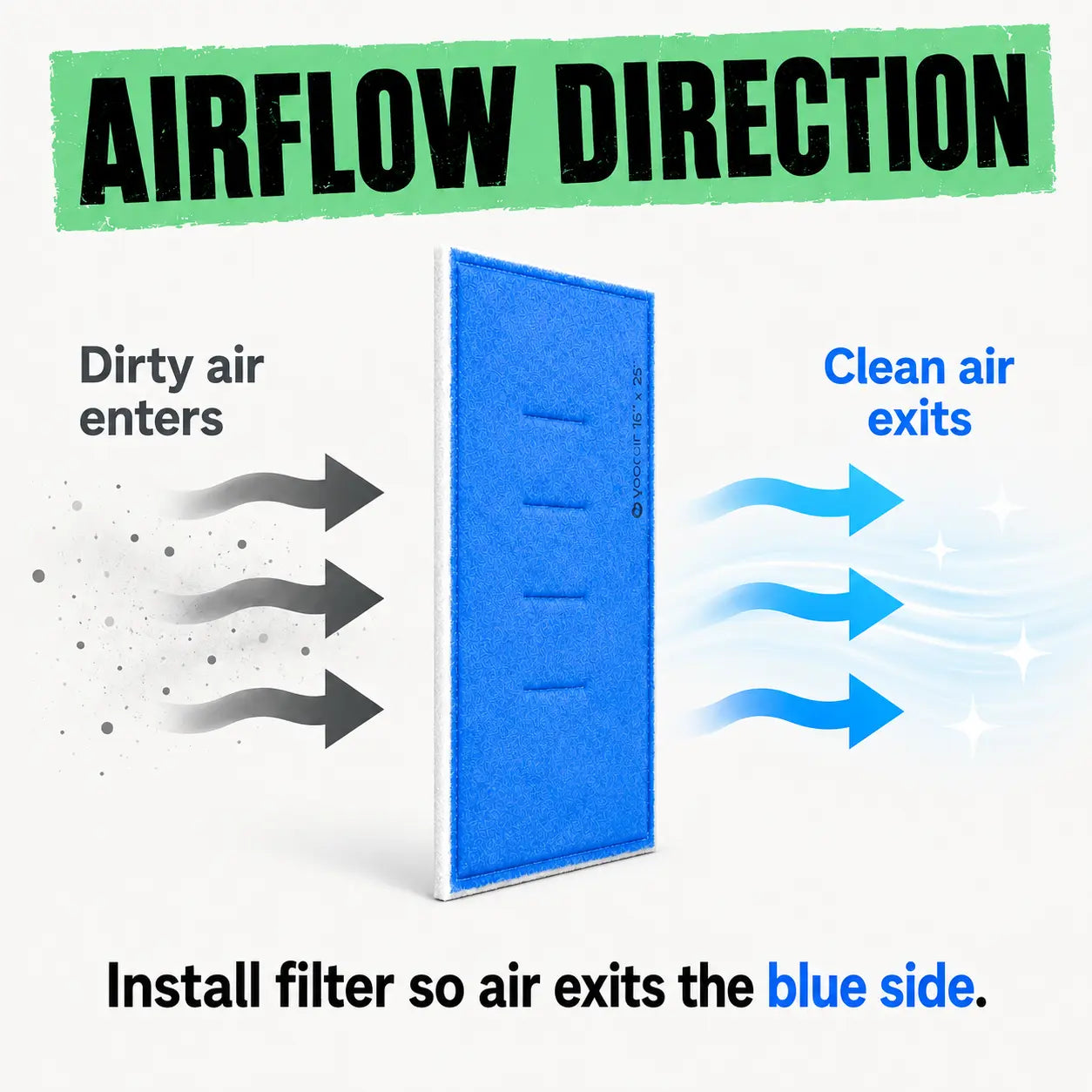
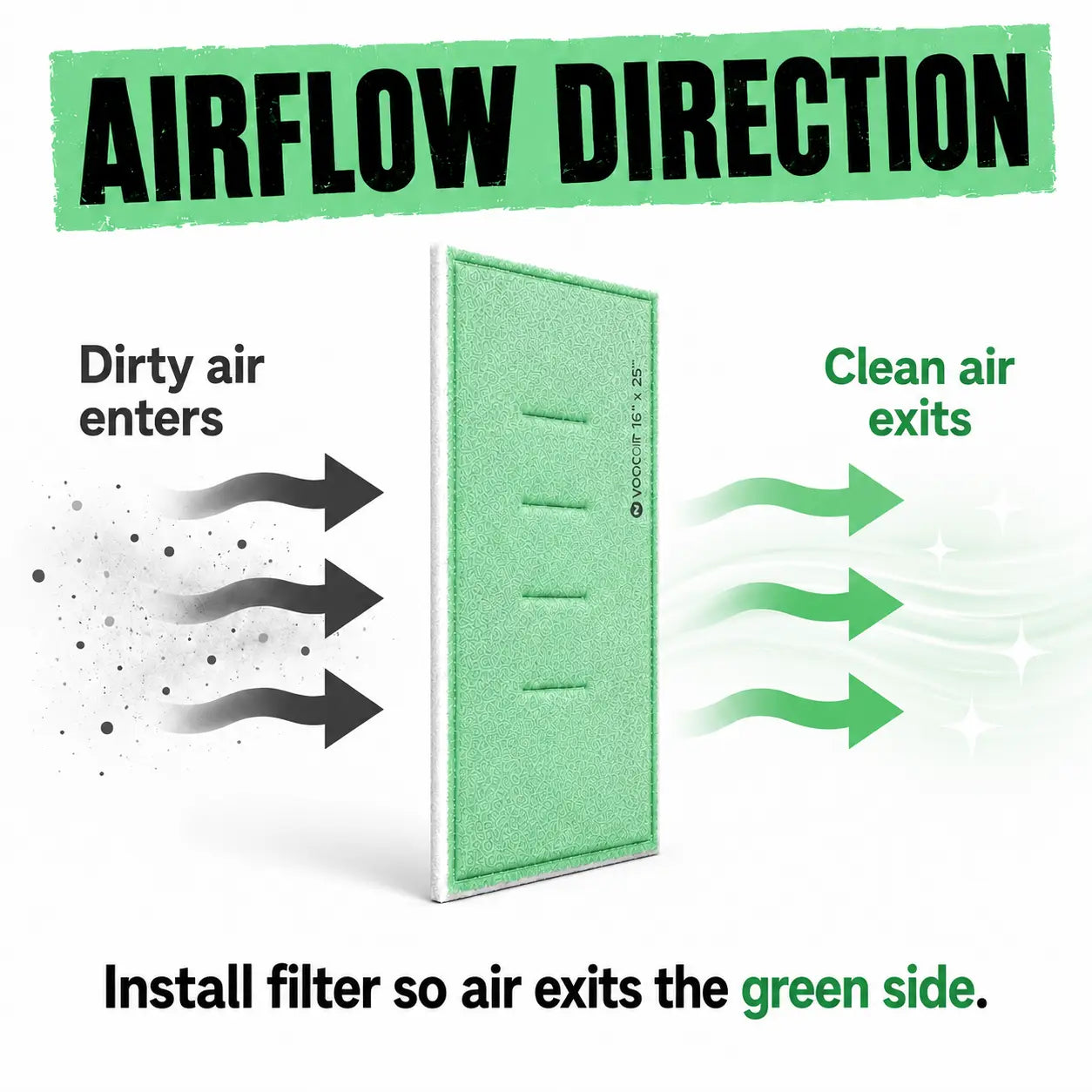
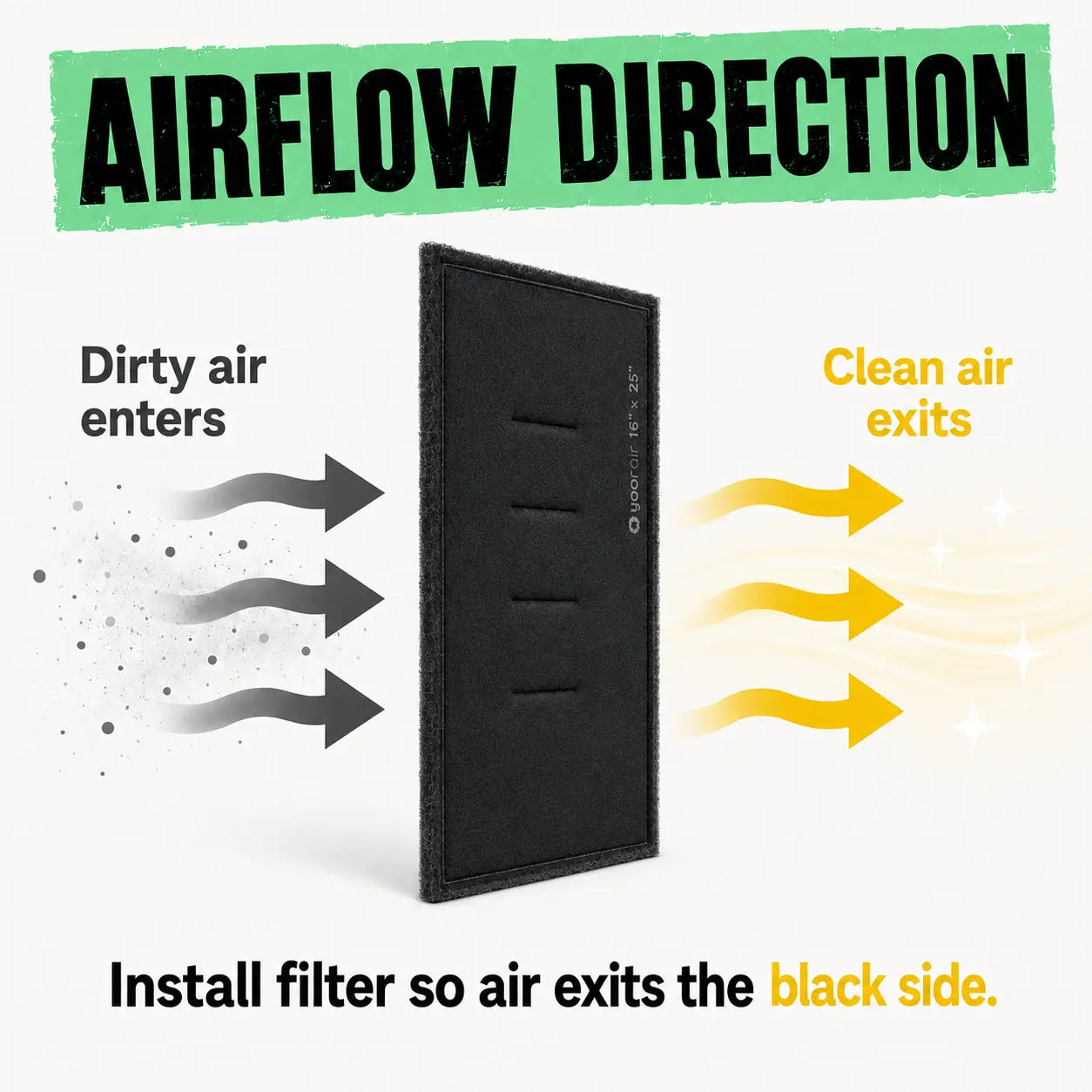
How to Install The Original Yoor Air Filter
Whether you're installing The Protector, The Pet Whisperer, or The Clean Freak Carbon, the process is pretty simple. Watch Michael show you how below.

Watch Video: How to Install
Not sure which way it goes? Michael walks you through the whole thing in the video below, including how to find your filter slot, remove your old filter, determine airflow direction, and install your new Yoor Air filter correctly.
1. Turn Off Your HVAC System
Before you start pulling things out of mysterious slots, turn your heating or cooling system off at the thermostat. You don’t need to shut down power to the entire house. We’re changing a filter, not rewiring the kitchen.
2. Find Your Air Filter
Your filter is typically located in a return-air grille or in a filter slot near your furnace or air handler. If there’s already a filter installed, congratulations. You found it.
3. Pull Out the Old Filter
Carefully slide the existing filter out of the slot. Take a quick look at how it was positioned before throwing it away, especially which direction it was facing. If it’s gray, fuzzy, and looks like it could legally qualify as a household pet, it was probably time.
4. Check the Airflow Direction
Air needs to pass through your filter toward your furnace or air handler. On a Yoor Air filter, the side with the printed filter size and Yoor Air logo is the air-out side. Install the filter so air enters through the unprinted side and exits through the printed side toward your HVAC equipment. Another way to think about it: printed side toward the furnace.
5. Slide Your Yoor Air Filter Into Place
Slide the new filter all the way into the filter slot. It should sit securely without being crushed, bent, folded, shoved, persuaded, or otherwise forced into submission. A good filter fit helps keep more of the air moving through the filter instead of sneaking around the edges.
6. Turn Your System Back On
Close the filter compartment or return grille, turn your HVAC system back on, and you’re done. Look at you. HVAC maintenance.
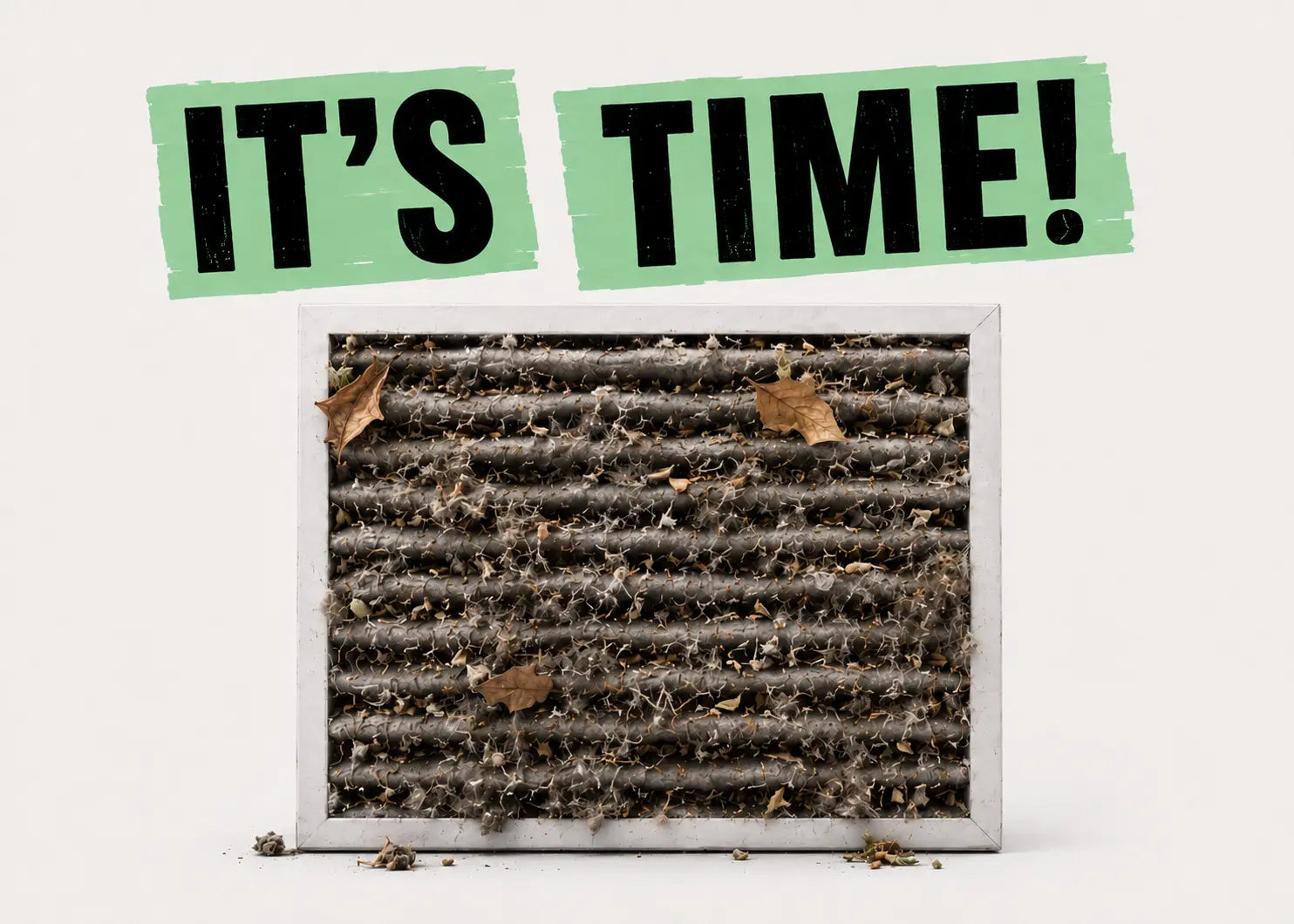
How Often Should I Change My Yoor Air Filter?
There isn’t one magical replacement schedule for every house because every house is dealing with different amounts of dust, pets, pollen, smoke, cooking, kids, open windows, remodeling projects, and general airborne nonsense.
For many homes, every 90 days is a good starting point. You may want to replace your filter more often if you have pets, heavy shedding, allergies or sensitive air needs, lots of dust, smoke or odor concerns, or an HVAC system that runs frequently.
The easiest rule is to check your filter regularly. If it’s visibly loaded with dust and debris, don’t make it finish the semester. Change it.
You can also subscribe to Yoor Air and choose a replacement schedule that fits your home so a fresh filter shows up before the old one becomes a fuzzy rectangle of shame.
Frequently Asked Questions About Installing an HVAC Air Filter
How do I know what size air filter I need?
Check the dimensions printed on your existing filter first. You can also measure your current filter or check your HVAC system documentation for the recommended size. Yoor Air filters are available in a wide range of common residential furnace and AC filter sizes.
If your filter slot is one of those special little snowflakes that refuses to accept a normal size, check out our custom-size options.
Which direction should my Yoor Air filter face?
Install your Yoor Air filter so air passes from the unprinted side toward the side with the printed filter size and Yoor Air logo. In most systems, that means the printed side faces toward your furnace, blower, or air handler.
The basic rule is simple: air should pass through the filter before entering your HVAC equipment.
What happens if I install my air filter backward?
A filter installed in the wrong direction may not perform the way it was designed to and can affect airflow through your HVAC system. If you’re unsure, remove the filter, confirm the direction air travels toward your furnace or air handler, and reinstall it with the printed Yoor Air side facing downstream.
Do I need any tools to install a Yoor Air filter?
Usually, nope. Most residential HVAC filters simply slide into a filter slot or sit behind a return-air grille. Depending on your system, you may need to open a small access panel or grille, but there’s generally no toolbox required.
Can I use Yoor Air filters with both my furnace and air conditioner?
Yes. In most central HVAC systems, the same return-air filter protects the system whether you’re heating your house in January or blasting the AC because Minnesota suddenly decided it’s Florida in July.
How often should I replace my furnace or AC filter?
Every 90 days is a good starting point for many homes, but your actual replacement schedule depends on your household. Homes with pets, heavy shedding, allergies or sensitive air needs, smoke, odors, higher dust levels, or frequent HVAC use may benefit from changing filters more often.
Check the filter periodically instead of blindly trusting the calendar. Your house will tell you what it’s putting that filter through.
Can I clean and reuse my Yoor Air filter?
No. Yoor Air filters are designed to be replaced, not washed and reused. Once the filter media has collected its share of dust, pollen, dander, hair, and airborne crud, retire it with dignity and put in a fresh one.
Washing or reusing a disposable HVAC filter can damage the media and compromise how the filter performs.
How should I dispose of my used air filter?
The easiest option is to place the used filter in a bag to keep trapped dust and debris from escaping, then put it in your household trash.
If you want to investigate recycling individual filter components, check with your local recycling provider first. Programs and accepted materials vary by location.
Why doesn’t my filter fit correctly?
First, double-check that you ordered the correct size. HVAC filter sizes can be confusing because the nominal size printed on a filter isn’t always identical to its exact physical dimensions.
If the size is correct but the filter still seems unusually loose, tight, or awkward in the slot, your HVAC system may require a less common size.
And don’t force it. There are very few situations in life improved by aggressively jamming something into a slot that clearly doesn’t fit.
Where is the air filter located in my house?
Common locations include a filter slot next to the furnace or air handler, a return-air duct near the HVAC equipment, or behind a large return-air grille on a wall or ceiling.
If you still can’t find it, check your HVAC system manual or look for the large return-air path feeding air back toward your furnace or air handler.